body of work
(solo exhibition)
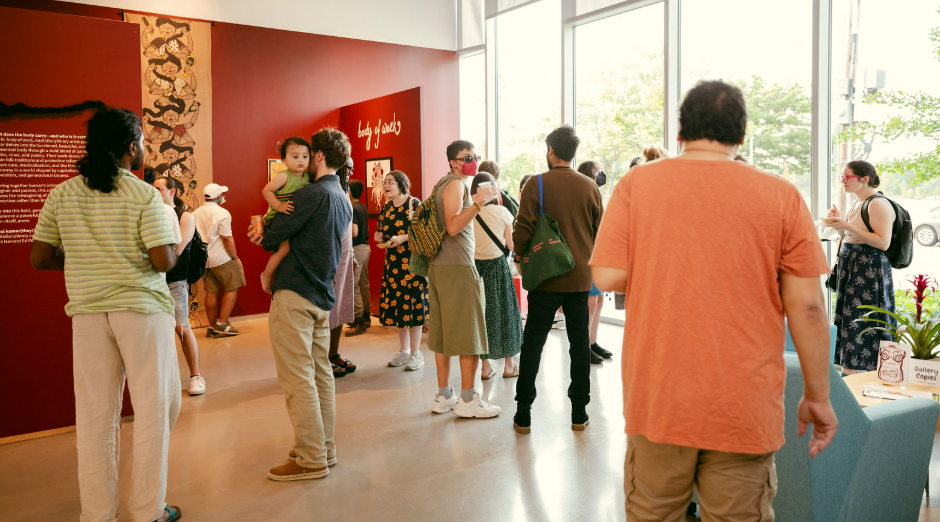
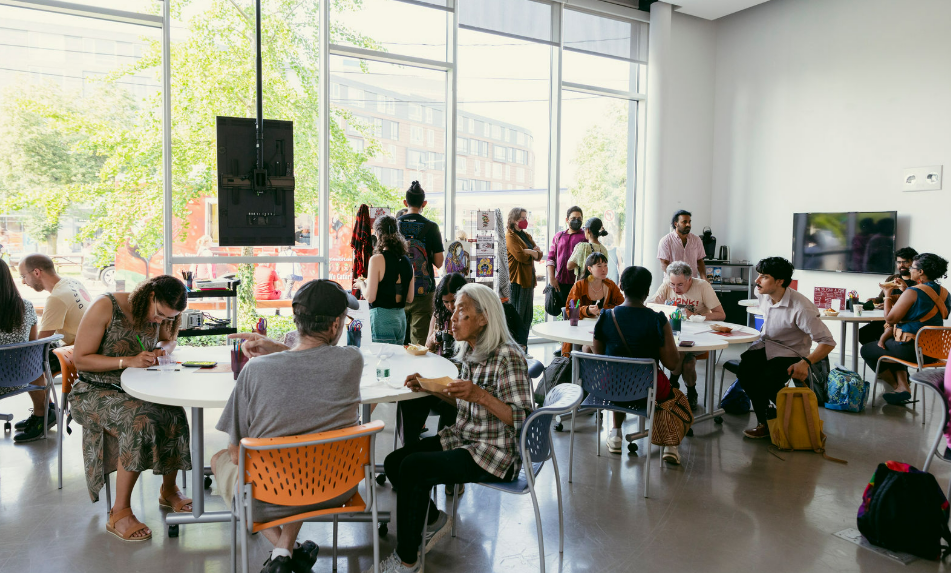
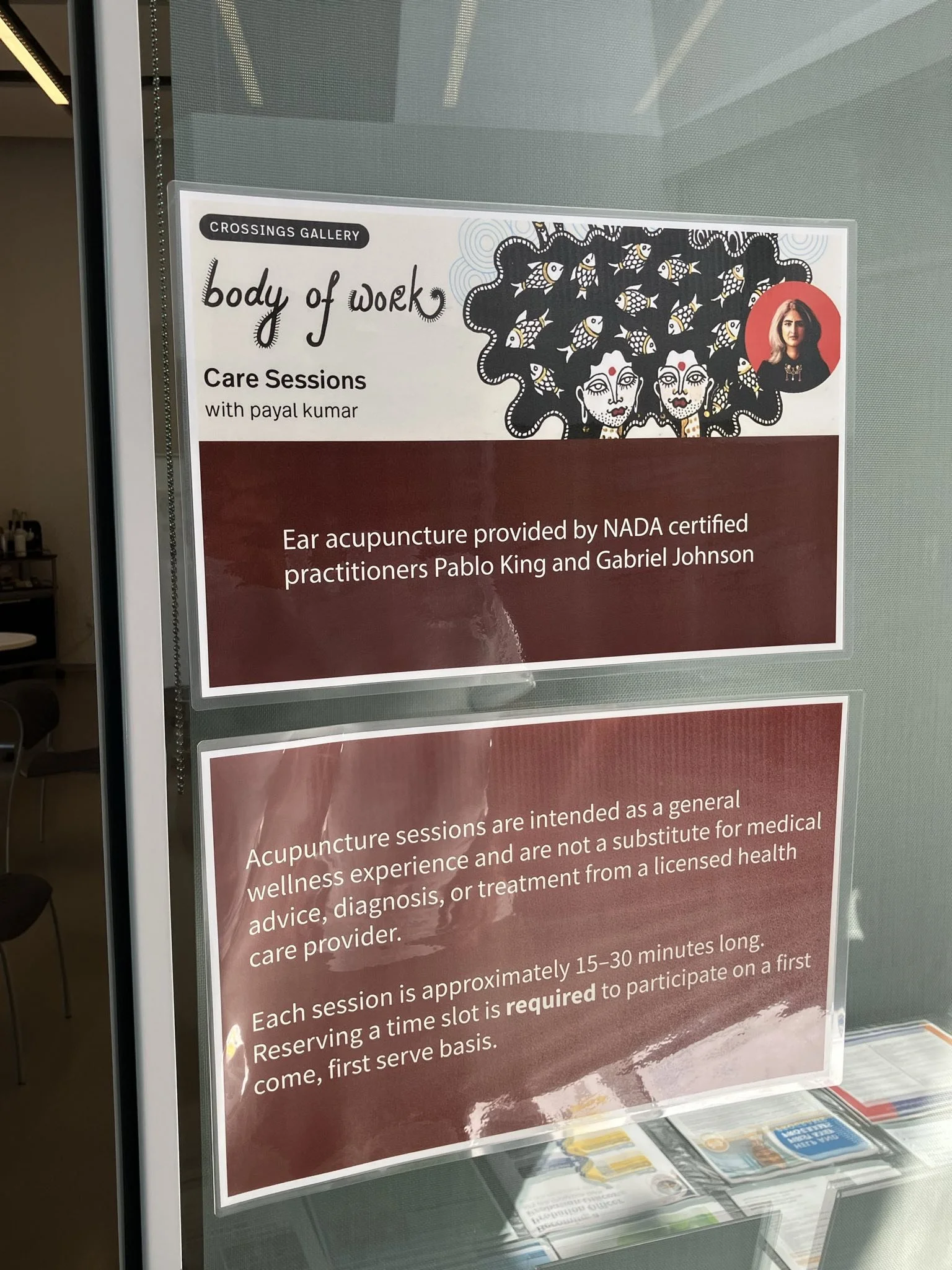
Solo exhibiting artist and curator for “body of work” at the Harvard Ed Portal Crossings Gallery in Boston, MA (6/5/25-9/5/25)
More information: https://edportal.harvard.edu/crossings-gallery-payal
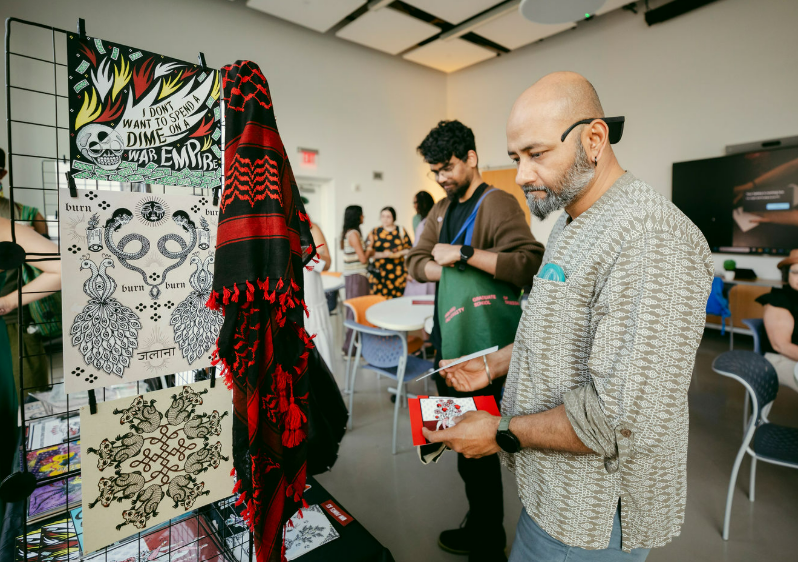
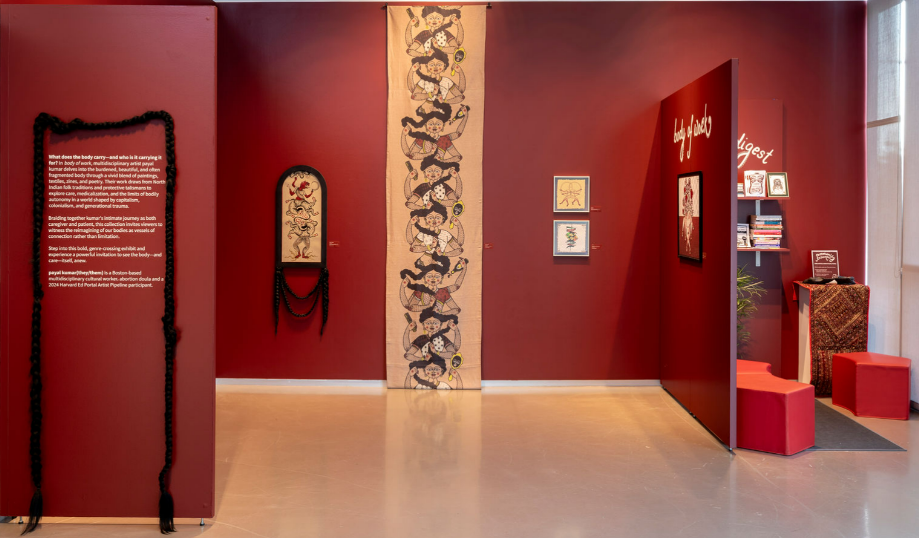
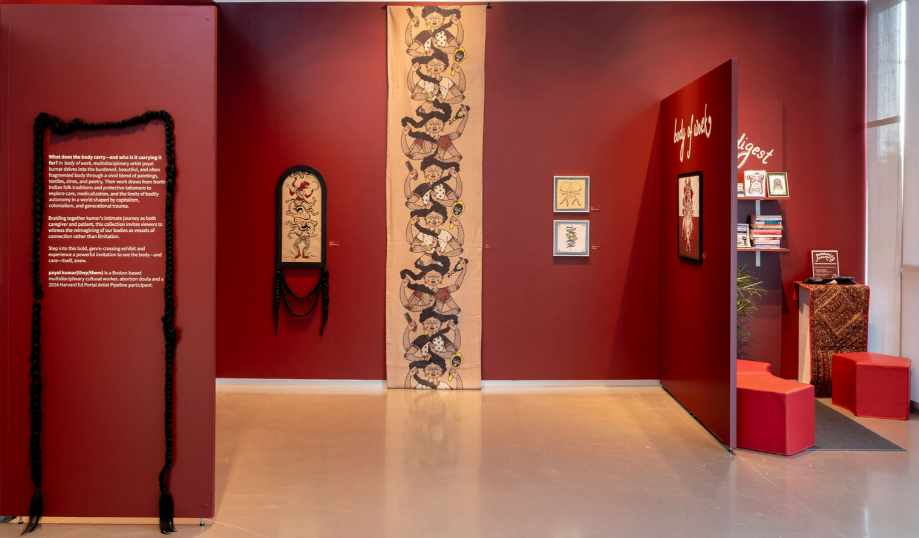
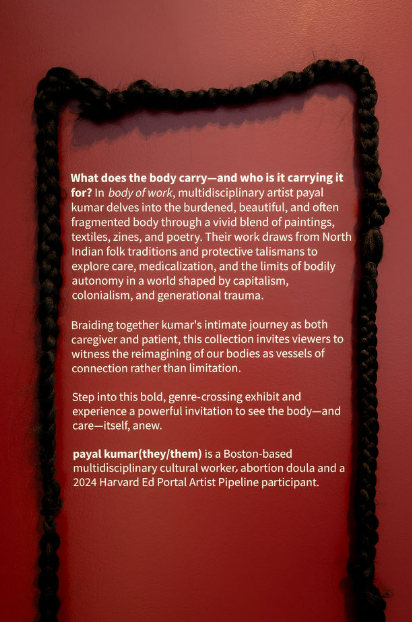
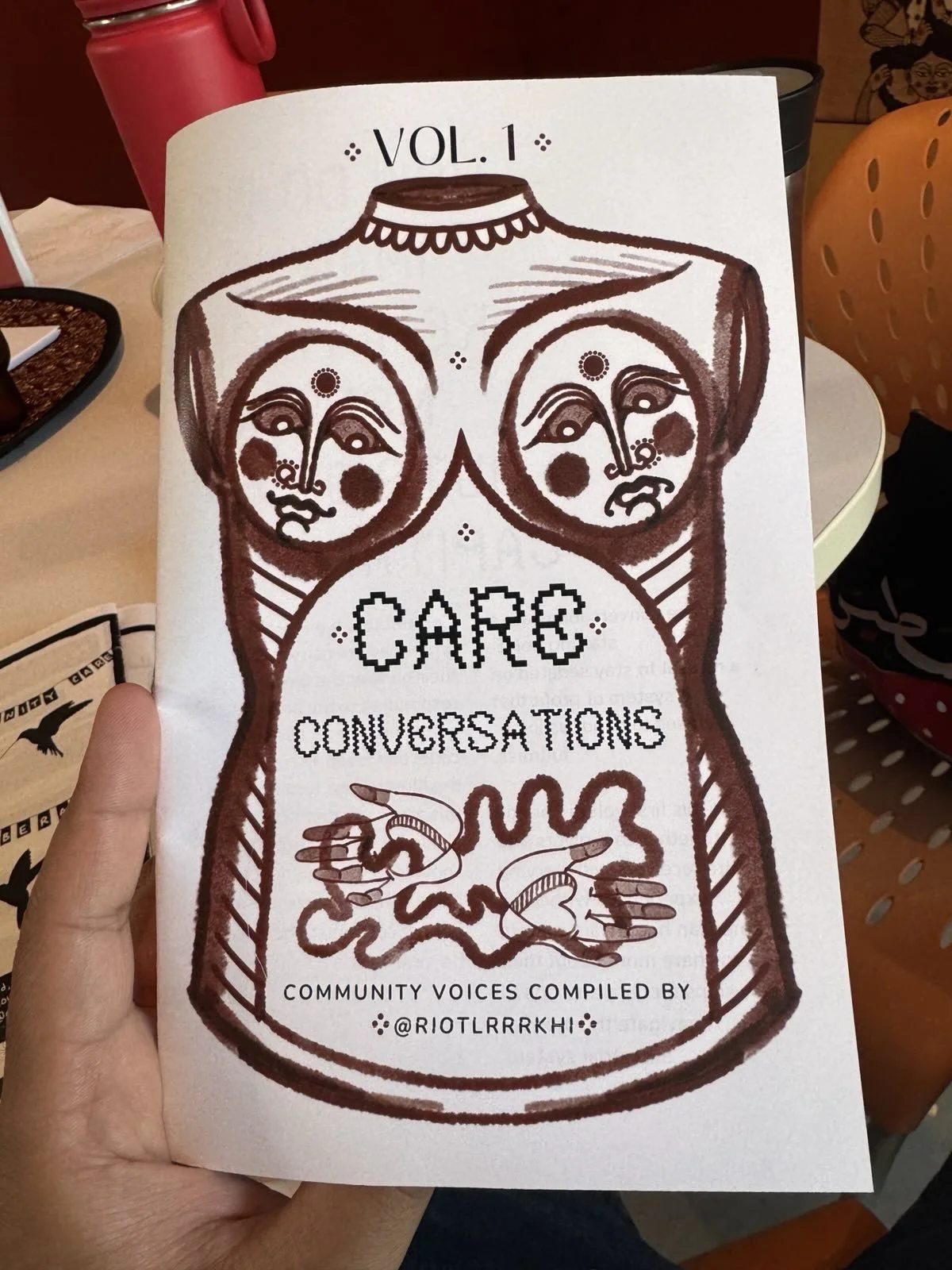
What does the body carry—and who is it carrying it for? In body of work, multidisciplinary artist payal kumar delves into the burdened, beautiful, and often fragmented body through a vivid blend of paintings, textiles, zines, and poetry. Their work draws from North Indian folk traditions and protective talismans to explore care, medicalization, and the limits of bodily autonomy in a world shaped by capitalism, colonialism, and generational trauma.
Braiding together kumar's intimate journey as both caregiver and patient, this collection invites viewers to witness the reimagining of our bodies as vessels of connection rather than limitation.
Step into this bold, genre-crossing exhibit and experience a powerful invitation to see the body—and care—itself, anew.
-
![]()
"body of work" title
-
![]()
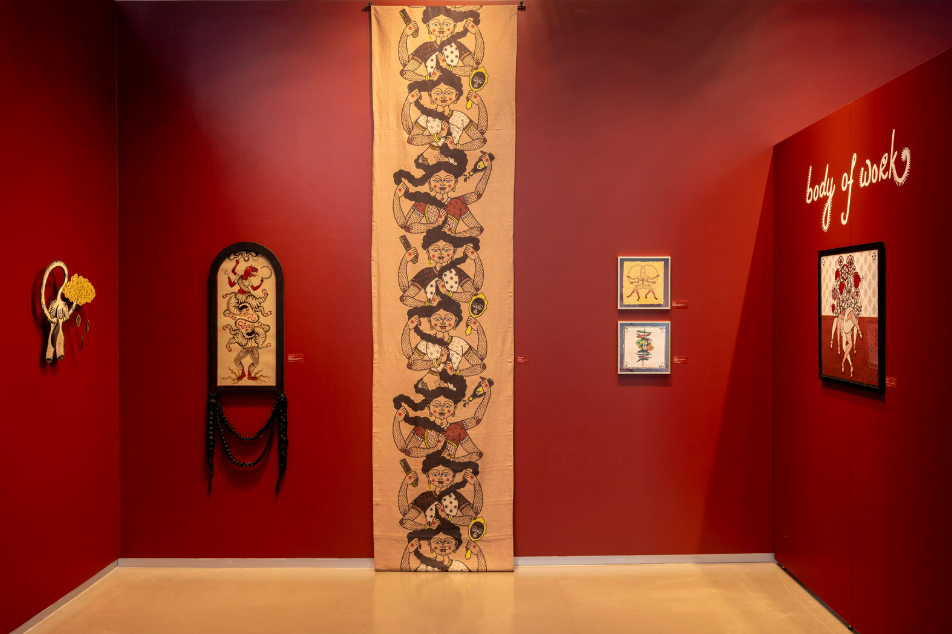
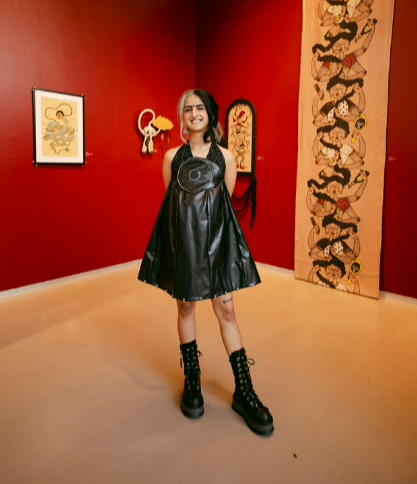
Crossing Gallery view 1
-
![]()
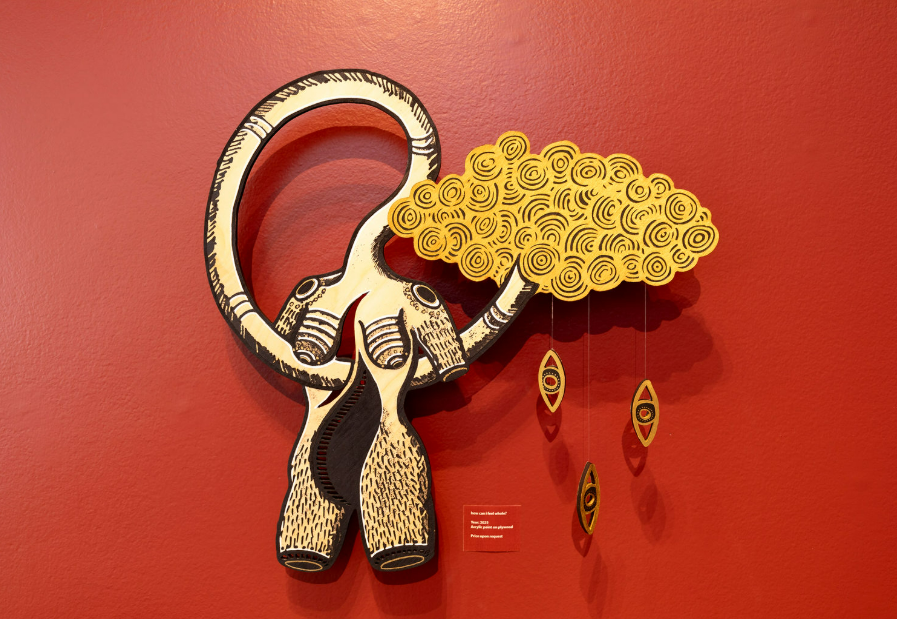
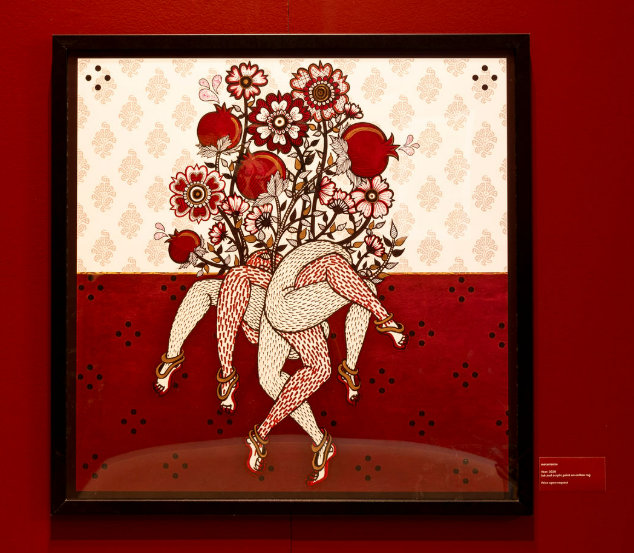
"how can i feel whole?" (acrylic and ink on plywood, 2025)
-
![]()
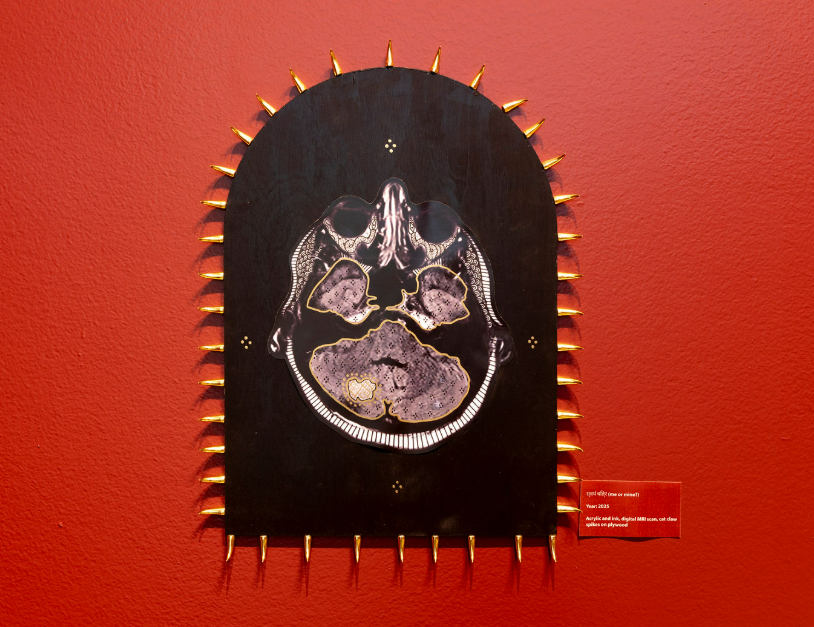
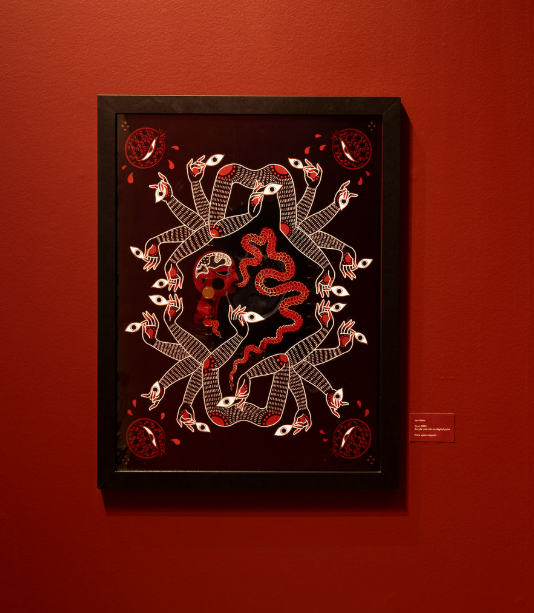
स्वयं चित्र (me or mine?) (Acrylic and ink, digital MRI scan print on cotton rag mounted on plywood, 2025)
-
![]()
Exhibit description
-
![]()
"metastasize" (ink and acrylic paint on cotton rag, 2020)
-
![]()
crossing Gallery view 2
-
![]()
"spectator" (acrylic and gold ink on digital print, 2025)
-
![]()
"care conversations" zine
-
![]()
"fixed stars" (Walnut ink made locally by a loved one, watercolor, ink on khadi paper, 2025)
-
![]()
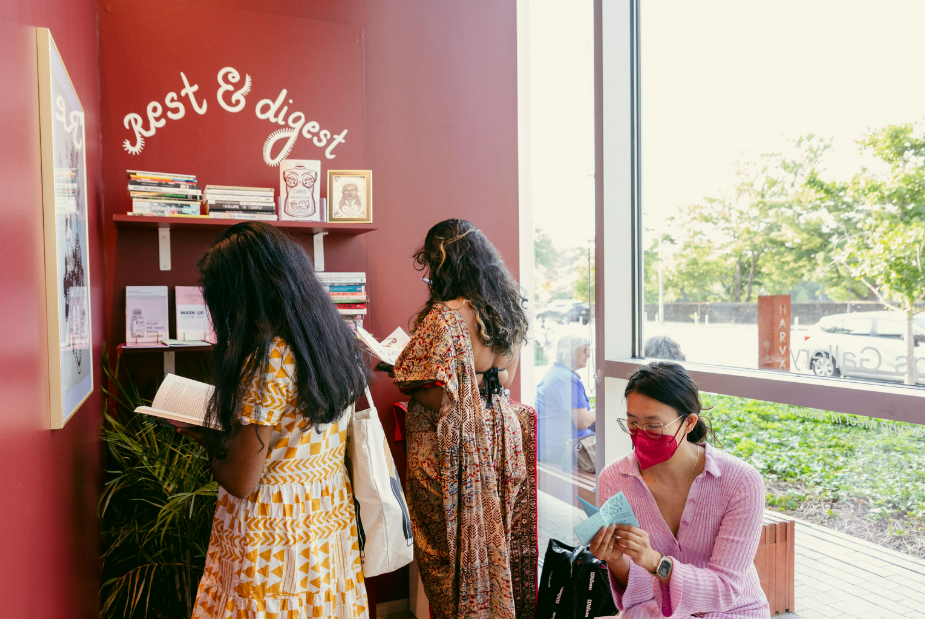
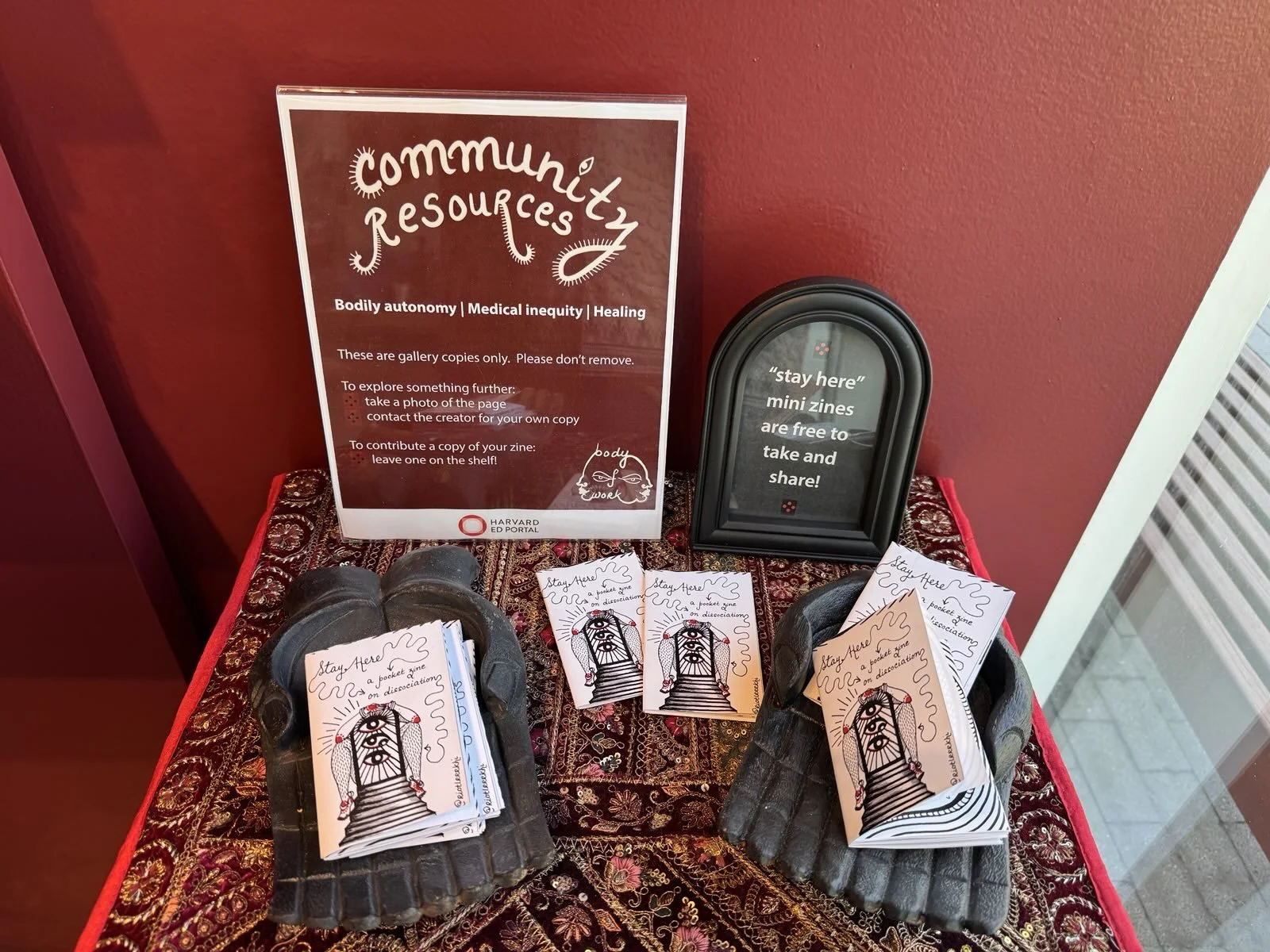
"rest and digest" community zine and resource nook
-
![]()
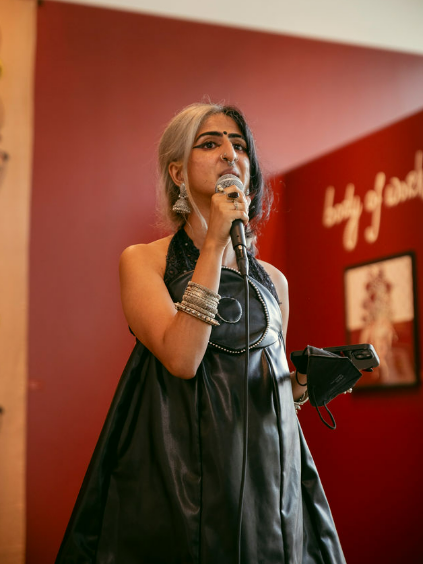
Artist



Artist Statement:
What Lingers Within?
I use mixed media- paintings, illustrations, zines, textile, poetry- to explore the individual and collective body beyond the borders of our skin. Inspired by North Indian folk art and protective healing talismans, each piece reflects the tension of navigating a body that doesn’t seem to be yours. As someone whose experience of self is shaped by intergenerational trauma and chronic illness, I use artmaking as a diagnostic tool to bring the inside out. In this process, I explore our porosity as beings shaped by our society. What are the things that linger within us? Are they just ours? These pieces are not self portraits, but reflections of a diasporic chimera that is fragmented, fluid, and extends past ourselves.
Embedded in my work is the question of care and where we find it in a world that constantly demands our life and labor for survival. From being a patient myself to working in community health spaces as a clinical advocate, the tools we have to make our bodies legible through our medical system often fall short as a result of deep-rooted colonial inequity. Our bodies are pathologized when not productive and marked as monstrous when mad. Both as caregivers and care receivers, these systems can further isolate us from our bodies and each other. In these works, I invoke traditional cultural forms and community conversations as an homage to the histories and practices that nourish us; by sharing our stories, I hope we can reclaim our agency and reimagine the body as a site for intentional resistance, healing, and connection.